


Safe Communities, Safe Spaces™
A Signature Training of The Safe Spaces™ Professional Education Series
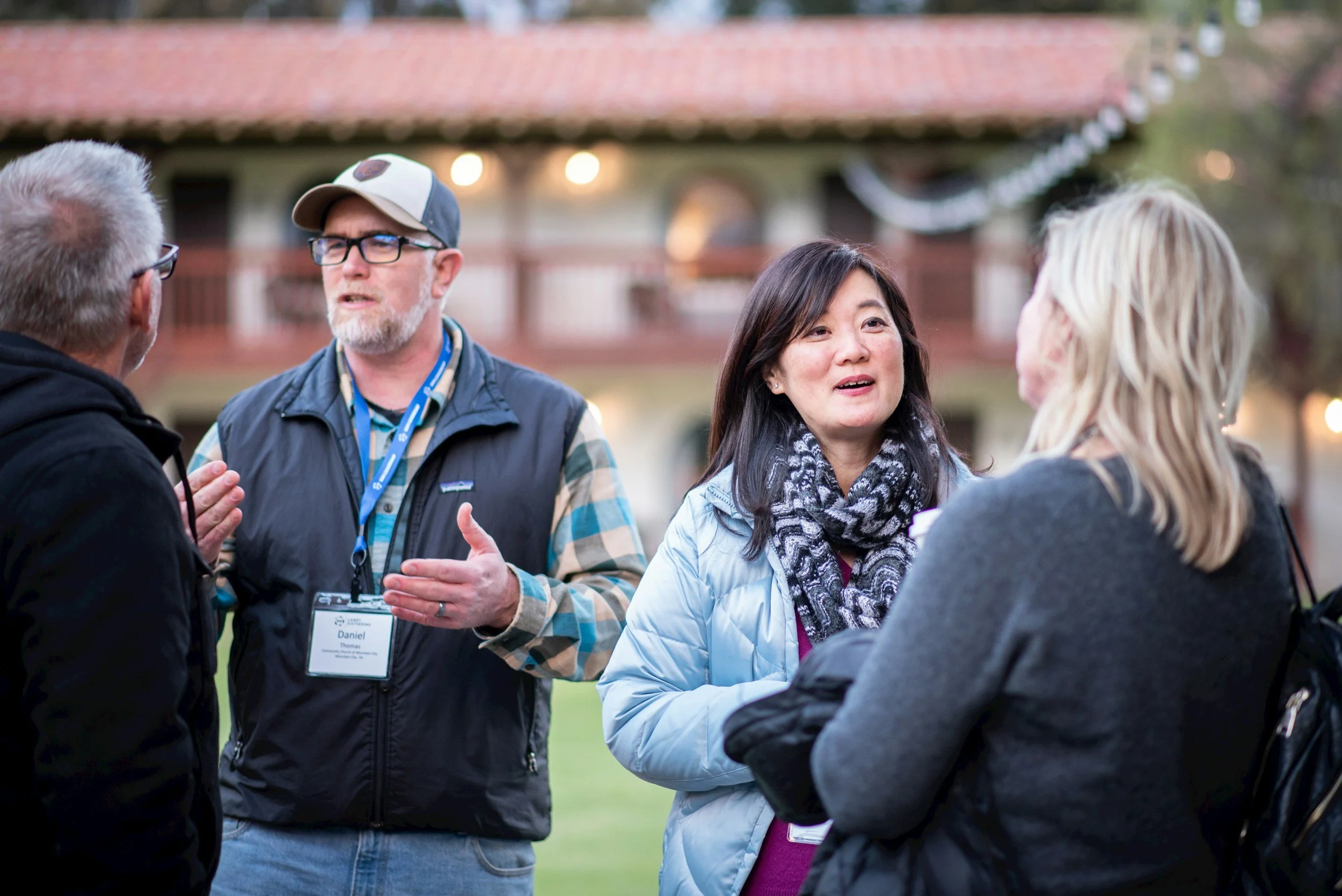
Building Stronger Communities Through Collaboration
No single organization can meet every need of a survivor of domestic violence.
Survivors often navigate a complex network of healthcare providers, law enforcement, schools, counselors, legal professionals, housing agencies, churches, employers, and community organizations—all while trying to heal from trauma and rebuild their lives.
When these systems operate independently, survivors often face repeated barriers, fragmented services, and the emotional burden of telling their story over and over again.
Safe Communities, Safe Spaces™ was created to strengthen collaboration among professionals and organizations by promoting coordinated, trauma-informed care that places survivors—not systems—at the center of every decision.
Together, we can create a stronger, more connected community response where survivors experience seamless support, meaningful partnerships, and greater opportunities for long-term healing.
Every organization plays an important role in supporting survivors.
However, lasting change happens when organizations work together rather than in isolation.
A coordinated community response helps:
Reduce barriers to services.
Improve communication between providers.
Increase access to community resources.
Strengthen referral relationships.
Prevent survivors from repeatedly retelling traumatic experiences.
Improve long-term outcomes for individuals and families.
Build trust throughout the community.
When professionals collaborate, survivors spend less time navigating systems and more time healing.
Why Community Collaboration Matters
About the Training
Safe Communities, Safe Spaces™ is an interdisciplinary training designed to strengthen collaboration among agencies serving survivors of domestic violence.
Participants will explore trauma-informed collaboration, warm referral practices, multidisciplinary partnerships, coordinated case support, and practical strategies that improve communication while respecting survivor choice and confidentiality.
This training encourages organizations to move beyond traditional referrals and toward meaningful partnerships that create a true continuum of care.

Who Should Attend?
This training is designed for:
Domestic Violence Programs
Victim Advocates
Nonprofit Organizations
Government Agencies
Social Workers
DSS Professionals
Law Enforcement
Healthcare Providers
Mental Health Professionals
Housing Providers
Schools & Universities
Faith Communities
Workforce Development Programs
Community Coalitions
Civic Organizations
Participants will learn how to:
Strengthen communication between organizations while protecting survivor confidentiality.
Build collaborative relationships that improve access to services.
Understand the importance of survivor-centered, trauma-informed care.
Develop effective warm referral practices.
Identify barriers survivors face when navigating multiple systems.
Improve multidisciplinary collaboration.
Promote continuity of care through coordinated partnerships.
Create stronger community networks that support long-term healing.
Learning Objectives
-
Understanding how agencies can work together to better support survivors.
-
Applying trauma-informed principles not only to survivor interactions but also to partnerships between organizations.
-
Moving beyond simply providing phone numbers by creating intentional, supportive connections between survivors and services.
-
Best practices for collaboration while respecting privacy, informed consent, and Release of Information requirements.
-
Exploring ways to improve communication, eliminate duplication, and reduce barriers across organizations.
-
Understanding how crisis response, advocacy, housing, counseling, healthcare, education, employment, and community support all contribute to long-term healing.
-
Strengthening relationships among nonprofit organizations, government agencies, faith communities, healthcare providers, schools, and businesses.
-
Exploring a collaborative model where multiple organizations work together within one community resource and healing center to improve survivor outcomes and strengthen regional partnerships.
Training Topics
Safe Communities, Safe Spaces™ can be customized for community partnerships of every size.
Available formats include:
Community Collaboration Workshops
Multi-Agency Roundtables
Professional Conferences
Coalition Meetings
Leadership Retreats
Cross-Agency Training Days
Half-Day or Full-Day Summits
Regional Community Forums
Available in person or virtually.
Training Formats
Participants will leave with:
Practical strategies for improving collaboration.
Stronger referral relationships.
Greater understanding of trauma-informed systems.
Increased confidence coordinating services across agencies.
Tools for developing effective community partnerships.
A shared vision for strengthening the regional response to domestic violence.
Actionable ideas that improve services for survivors and families.
What Participants Will Gain
Why The Hiding Place?
The Hiding Place believes collaboration is one of the most powerful tools for preventing violence and promoting healing.
Our commitment extends beyond the services we provide directly. We are dedicated to bringing organizations together, strengthening partnerships, and fostering a community where professionals share knowledge, resources, and responsibility in serving survivors.
Together, we can build systems that are more compassionate, more connected, and more effective.
The Safe Spaces™ Difference
Safe Communities, Safe Spaces™ is more than a collaboration workshop.
It is an invitation to rethink how communities serve survivors.
By building trust between organizations, strengthening communication, and creating intentional partnerships, we move from isolated services to coordinated care—ensuring survivors experience one connected community working together on their behalf.
Because healing is strongest when communities unite around a shared purpose.
The Monarch Center: Collaboration in Action
Safe Communities, Safe Spaces™ reflects the vision behind The Monarch Center—a future collaborative community resource and healing center where survivors can access multiple services in one welcoming location.
Rather than navigating disconnected systems, survivors will have opportunities to meet with advocates, counselors, healthcare providers, legal professionals, educators, workforce specialists, faith leaders, and other community partners through coordinated services and warm referrals.
The Monarch Center represents a new model of care where organizations work together to remove barriers, strengthen partnerships, and improve outcomes for survivors.
Because when communities collaborate, survivors no longer have to navigate healing alone.
Request This Training
Interested in bringing Safe Communities, Safe Spaces™ to your agency, coalition, leadership team, or regional partnership?
We would be honored to facilitate meaningful conversations that strengthen collaboration and improve the way our community responds to domestic violence.