


SAFE RESPONSE, SAFE SPACES™
A Signature Training of The Safe Spaces™ Professional Education Series
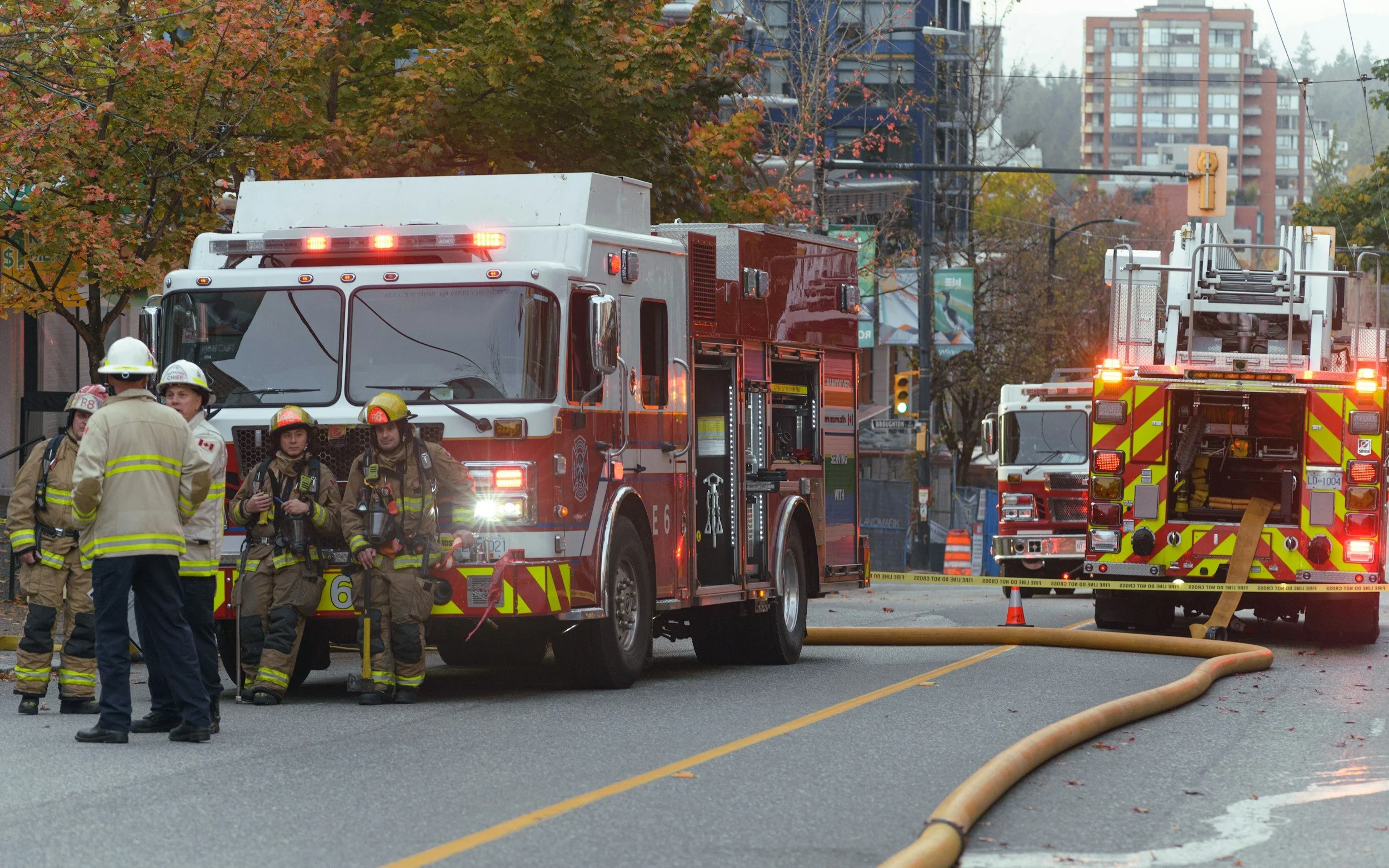
Equipping First Responders to Recognize Abuse, Respond with Confidence, and Strengthen Community Collaboration
Law enforcement officers and first responders are often among the first professionals survivors encounter after experiencing domestic violence. The way those first moments are handled can significantly influence a survivor's immediate safety, willingness to seek ongoing help, and trust in the criminal justice system.
Safe Response, Safe Spaces™ is a specialized training developed by The Hiding Place to equip law enforcement officers, dispatchers, EMS personnel, firefighters, victim advocates, and other first responders with practical, trauma-informed strategies for recognizing abuse, responding effectively, and connecting survivors with life-saving resources.
Our goal is to strengthen investigations, improve survivor interactions, reduce barriers to reporting, and foster stronger partnerships between first responders and community organizations.
Because every response matters.
Domestic violence calls are among the most complex and unpredictable situations first responders encounter. While immediate safety is the priority, these incidents often involve trauma, fear, manipulation, coercive control, children, mental health concerns, and ongoing safety risks that extend well beyond the initial response.
Survivors frequently remember how they were treated during their first interaction with law enforcement or emergency personnel. A trauma-informed response can increase trust, encourage continued engagement with the justice system, and improve long-term safety.
Safe Response, Safe Spaces™ provides practical tools that help first responders navigate these situations with confidence, professionalism, and compassion while strengthening collaboration with community partners.
Why This Training Matters
Safe Response, Safe Spaces™ combines current best practices, survivor-informed perspectives, real-world case examples, and collaborative problem-solving to help first responders better understand the dynamics of domestic violence beyond physical assault.
Participants will gain a deeper understanding of coercive control, trauma responses, survivor behavior, offender tactics, risk assessment, and effective referral practices while learning how coordinated community responses improve outcomes for survivors and families.
The training is interactive, discussion-based, and tailored to the needs of your department or agency.
About the Training

This training is designed for:
Police Officers
Sheriff's Offices
Detectives
School Resource Officers
Dispatch & Communications Personnel
EMS Professionals
Fire Departments
Victim Advocates
Solicitor's Office Staff
Probation & Parole Officers
Campus Police
Correctional Professionals
Who Should Attend?
Learning Objectives
Participants will learn how to:
Recognize the full spectrum of domestic violence, including coercive control and non-physical forms of abuse.
Understand how trauma affects memory, behavior, communication, and decision-making.
Improve survivor-centered interviewing and communication techniques.
Identify high-risk indicators that may increase the likelihood of serious injury or homicide.
Recognize the impact of domestic violence on children and families.
Strengthen evidence-based investigations beyond visible injuries.
Build confidence when responding to complex domestic violence calls.
Develop effective partnerships with victim advocates and community organizations.
Connect survivors with resources that promote long-term safety and healing.
Reduce secondary trauma and compassion fatigue through increased awareness and self-care strategies.
Training Topics
-
Recognizing patterns of power, control, and abuse beyond physical violence.
-
Understanding manipulation, intimidation, isolation, financial abuse, and psychological control.
-
How trauma influences survivor behavior, memory, emotional responses, and decision-making.
-
Practical strategies for communicating with survivors while reducing re-traumatization.
-
Identifying lethality indicators, strangulation, stalking, escalating violence, threats, and firearm risks.
-
Understanding how exposure to domestic violence affects child development, behavior, and long-term wellbeing.
-
Strengthening investigations through documentation, photographs, witness statements, technology, and contextual evidence.
-
Understanding immediate and long-term safety considerations for survivors and their children.
-
Improving coordination with victim advocates, prosecutors, healthcare providers, and community organizations to strengthen survivor support.
-
Recognizing the effects of repeated trauma exposure, compassion fatigue, and strategies for maintaining resilience.
Safe Response, Safe Spaces™ can be customized to meet the needs of your department or agency.
Available formats include:
Roll Call Training (30–45 minutes)
One-Hour Awareness Presentation
Two-Hour Workshop
Half-Day Training
Full-Day Professional Development
Regional Conferences
Academy Instruction
Multi-Agency Collaboration Events
Available in person or virtually.
Training Formats
After completing this training, participants will leave with:
Increased confidence responding to domestic violence calls.
Practical communication techniques for working with survivors.
A better understanding of trauma and coercive control.
Improved investigation and documentation strategies.
Stronger knowledge of community resources and referral pathways.
Greater awareness of officer wellness and secondary trauma.
Practical tools that can be immediately applied in the field.
What Participants Will Gain
The Hiding Place brings together survivor-informed experience, trauma-informed practice, and community collaboration to provide training that is practical, relevant, and grounded in real-world application.
Our team works alongside survivors every day, giving us unique insight into the challenges they face after law enforcement leaves the scene. Through strong partnerships with community organizations and our commitment to coordinated care, we help bridge the gap between emergency response and long-term healing.
Our mission is not only to support survivors—it is to equip the professionals who serve them with the knowledge and confidence to make every response safer, more compassionate, and more effective.
The Safe Spaces™ Difference
Safe Response, Safe Spaces™ is more than a domestic violence presentation.
It is a practical, survivor-informed training designed to strengthen professional response, improve collaboration, and create safer communities.
When first responders understand trauma, recognize coercive control, and know how to connect survivors with ongoing support, they become an essential part of a coordinated network of care that extends far beyond the initial call for service.
Why The Hiding Place?
We would be honored to partner with you to strengthen your community's response to domestic violence.